
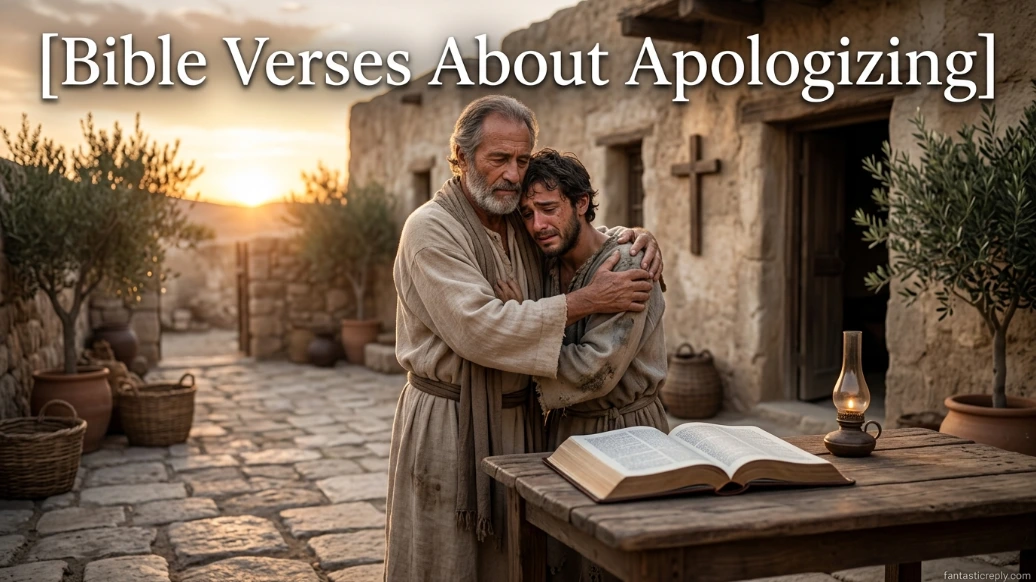
Apologizing is one of the hardest things we can do. Pride often tells us to defend ourselves, make excuses, or pretend nothing happened. Yet deep inside, we know that broken relationships cannot truly heal until someone is willing to say, “I’m sorry.”
The Bible teaches that a sincere apology is more than just polite words. It is an act of humility, repentance, love, and obedience to God. Whether you have hurt a spouse, friend, parent, child, coworker, or even a stranger, God invites you to take the first step toward peace. Likewise, if someone has apologized to you, Scripture encourages forgiveness and reconciliation whenever possible.
God Himself demonstrates the beauty of restored relationships. Through Jesus Christ, He made reconciliation available to all who repent and trust Him. This incredible example reminds us that apologizing is not a sign of weakness—it is evidence of spiritual maturity.
These Bible verses about apologizing reveal how God values honesty, humility, confession, forgiveness, and restored relationships. As you read them, may they inspire you to seek peace, repair broken bonds, and reflect Christ’s love in your everyday life.
Quick Answer
The Bible teaches that apologizing is closely connected to repentance, humility, confession, and reconciliation. Although Scripture rarely uses the modern word “apologize,” it repeatedly commands believers to admit wrongdoing, seek forgiveness, make peace with others, and restore damaged relationships. Genuine apologies come from a repentant heart rather than merely spoken words. God honors those who humbly confess their sins, ask for forgiveness, and pursue peace just as Christ reconciled us to God.
What Does the Bible Say About Apologizing?
The Bible presents apologizing as an expression of genuine repentance rather than simply saying the right words. Throughout Scripture, people are encouraged to acknowledge their sins honestly, confess them before God and others, and seek restored relationships.
True biblical apologies involve humility. Instead of protecting our pride, we accept responsibility for our actions. This reflects the heart of Christ, who taught His followers to be peacemakers and to value reconciliation above personal pride.
Scripture also reminds believers that confession should be followed by changed behavior. Saying “I’m sorry” without turning away from sinful actions is incomplete repentance. God desires transformed hearts that produce lasting change.
Finally, apologizing reflects God’s own character. Through Jesus, God reconciled humanity to Himself, showing His desire for restored relationships. Every sincere apology reflects this gospel truth by choosing love over division, humility over pride, and forgiveness over bitterness.
Bible Verses About Apologizing and Reconciliation
Confessing Our Wrongdoing Before God and Others
1. James 5:16
“Therefore confess your sins to one another and pray for one another, that you may be healed.”
Meaning & Biblical Context
James teaches believers to openly confess their sins instead of hiding them. Honest confession promotes spiritual healing and strengthens Christian fellowship.
Practical Life Application
When you have hurt someone, admit your mistake honestly. Don’t make excuses or shift blame. A sincere apology opens the door for healing.
Why This Verse Still Matters Today
Many relationships remain broken because pride prevents confession. This verse reminds us that healing begins with honesty.
2. Proverbs 28:13
“Whoever conceals their sins does not prosper, but the one who confesses and renounces them finds mercy.”
Meaning & Biblical Context
Solomon contrasts hiding sin with confessing it. God promises mercy to those who genuinely repent.
Practical Life Application
Instead of covering your mistakes, admit them quickly and seek forgiveness from both God and those you’ve hurt.
Why This Verse Still Matters Today
Honesty builds trust, while hidden sin destroys relationships.
Choosing Humility Instead of Pride
3. Philippians 2:3-4
“Do nothing out of selfish ambition or vain conceit. Rather, in humility value others above yourselves.”
Meaning & Biblical Context
Paul encourages believers to imitate Christ’s humility in every relationship.
Practical Life Application
A heartfelt apology often begins by placing another person’s feelings before your own pride.
Why This Verse Still Matters Today
Humility continues to be one of the strongest foundations for healthy relationships.
4. Colossians 3:13
“Bear with each other and forgive one another if any of you has a grievance against someone. Forgive as the Lord forgave you.”
Meaning & Biblical Context
Paul connects forgiveness with Christ’s example of grace toward believers.
Practical Life Application
If you’ve apologized sincerely, trust God with the outcome. If someone apologizes to you, choose forgiveness.
Why This Verse Still Matters Today
Families, churches, and friendships flourish when forgiveness replaces resentment.
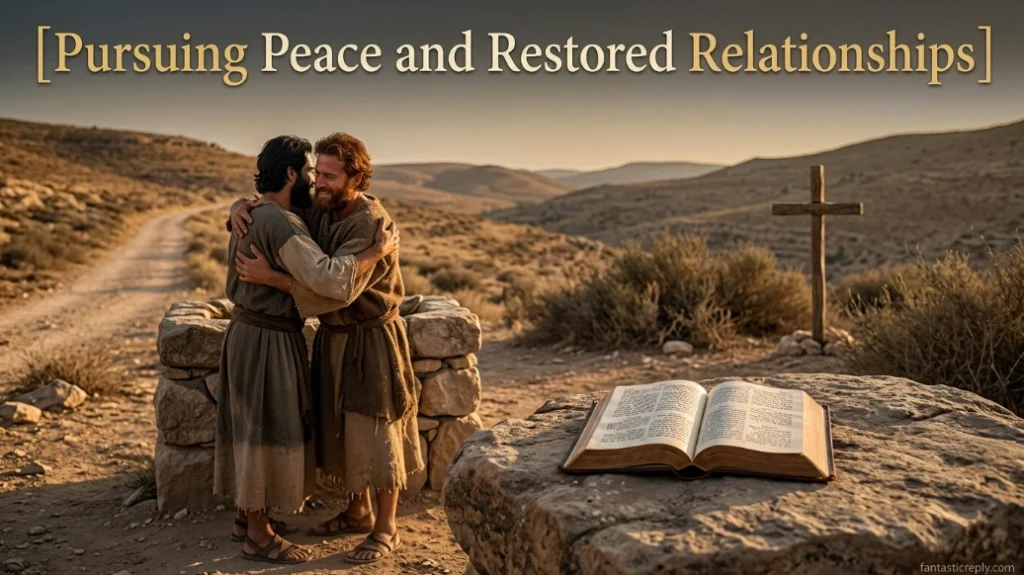
Pursuing Peace and Restored Relationships
5. Matthew 5:23-24
“First go and be reconciled to them; then come and offer your gift.”
Meaning & Biblical Context
Jesus emphasizes reconciliation before religious rituals. Healthy relationships matter deeply to God.
Practical Life Application
Don’t delay apologizing. Reach out quickly when conflict arises.
Why This Verse Still Matters Today
God values sincere relationships over outward religious appearances.
6. Romans 12:18
“If it is possible, as far as it depends on you, live at peace with everyone.”
Meaning & Biblical Context
Paul recognizes that reconciliation is not always possible, yet believers should do everything within their control.
Practical Life Application
Offer a genuine apology even if you cannot control the other person’s response.
Why This Verse Still Matters Today
Taking responsibility brings peace to your conscience and honors God.
Repentance That Produces Real Change
7. 1 John 1:9
“If we confess our sins, he is faithful and just and will forgive us our sins.”
Meaning & Biblical Context
John assures believers that God faithfully forgives those who sincerely confess.
Practical Life Application
Confession should include both prayer to God and sincere efforts to repair broken relationships.
Why This Verse Still Matters Today
God’s forgiveness gives us confidence to seek forgiveness from others.
8. Luke 19:8-9
“Zacchaeus stood up and said… If I have cheated anybody… I will pay back four times the amount.”
Meaning & Biblical Context
Zacchaeus demonstrated true repentance through changed behavior and restitution.
Practical Life Application
Sometimes apologizing requires making things right, not simply saying sorry.
Why This Verse Still Matters Today
Real repentance produces visible actions, not only emotional words.
9. Ephesians 4:31-32
“Be kind and compassionate to one another, forgiving each other, just as in Christ God forgave you.”
Meaning & Biblical Context
Paul encourages believers to replace bitterness with compassion and forgiveness.
Practical Life Application
A sincere apology should be filled with kindness, compassion, and genuine concern for others.
Why This Verse Still Matters Today
Kindness remains one of the most powerful ways to rebuild damaged relationships.
10. Matthew 18:21-22
“I tell you, not seven times, but seventy-seven times.”
Meaning & Biblical Context
Jesus teaches Peter that forgiveness should be generous and continual.
Practical Life Application
Repeated apologies should be matched by genuine efforts to change, while forgiveness should reflect God’s abundant mercy.
Why This Verse Still Matters Today
Healthy relationships require ongoing grace because everyone makes mistakes.
Practical Ways to Apply These Bible Verses
- Admit your mistakes without making excuses.
- Apologize as soon as possible after realizing you’ve hurt someone.
- Speak honestly and sincerely from your heart.
- Accept responsibility for your actions.
- Ask for forgiveness without demanding it.
- Make restitution when your actions caused harm.
- Learn from your mistakes and pursue lasting change.
- Forgive others just as Christ forgave you.
- Pray for wisdom before difficult conversations.
- Let every apology point people toward God’s grace.
A Prayer for a Humble and Repentant Heart
Heavenly Father,
Thank You for loving me even when I fail. Forgive me for the times I have hurt others through careless words, selfish actions, or pride. Give me the courage to admit my mistakes honestly and seek forgiveness with humility.
Help me reflect the love of Jesus by becoming a peacemaker in every relationship. Teach me to forgive those who have wronged me just as You have forgiven me. Remove bitterness, pride, and fear from my heart, and replace them with kindness, compassion, and grace.
May my words, actions, and apologies honor You and bring healing wherever brokenness exists.
In Jesus’ name, Amen.
FAQs
Is apologizing biblical?
Yes. The Bible encourages confession, repentance, humility, and reconciliation.
Does God forgive sincere apologies?
God forgives those who genuinely repent and confess their sins through faith in Christ.
Is saying “I’m sorry” enough?
No. Biblical repentance includes changed behavior and sincere efforts to make things right.
Should Christians apologize first?
Whenever possible, believers should take the initiative to pursue peace and reconciliation.
What if someone refuses my apology?
You cannot control another person’s response, but you can faithfully obey God by seeking peace.
Does apologizing show weakness?
No. It demonstrates humility, courage, and spiritual maturity.
Should I forgive someone who apologizes?
The Bible encourages believers to forgive as Christ has forgiven us.
Why is humility important in apologizing?
Humility allows us to admit our faults honestly and rebuild damaged relationships.
Conclusion
Apologizing may feel uncomfortable, but it reflects the very heart of the gospel. God loved us enough to make reconciliation possible through Jesus Christ, and He calls us to extend that same spirit of humility and forgiveness to others.
These Bible verses about apologizing remind us that healing begins with honesty, repentance, and love. A sincere apology can restore friendships, strengthen families, heal marriages, and bring peace to our hearts. While we cannot change the past, we can choose today to walk in humility, seek forgiveness, and become ambassadors of Christ’s reconciliation.
May God give you the courage to apologize when necessary, the wisdom to seek peace, and the grace to forgive generously. As you follow His Word, your relationships can become beautiful testimonies of His redeeming love.
